
Professional property management for townhouses, co-ops, condominiums, rental and commercial properties in Westchester and Surrounding Areas.
If you as a landlord are thinking about investing in the New York rental market, you should familiarize yourself with the state’s rental law. This includes landlord-tenant laws, the Fair Housing Act, and eviction laws.
Whether they’re dealing with holdover tenants or squatters, landlords are required to follow strict laws for evicting tenants.
To make things easier for every landlord like you, the experts at Librett Real Estate Group have written this guide for New York eviction law. Keep reading to learn more about the eviction process in the state of New York!
Legal Causes for Eviction in New York
A New York landlord have the right to remove a tenant from their homes under specific circumstances. According to New York Landlord-Tenants Laws, the only legal grounds to proceed with a tenant eviction in this state are the following:
- Failing to pay the rent on time. Nonpayment of rent can also lead to a tenant losing their security deposit.
- Staying on the premises after their lease agreement has ended.
- Violating the terms of the lease agreement.
- Committing illegal activities.
Trying to remove a tenant for any other reason or due to retaliation can lead to costly fines and legal disputes for landlords.
Evicting a tenant in New York can take anywhere from 1 to 5 months, depending on the reason for the termination of lease. If the tenant requests an adjournment, the eviction process can take even longer.
Notice for Lease Termination with Legal Cause
When evicting a tenant in New York, a landlord must give proper written notice and provide the tenant a chance to cure the violation The type of eviction notice used by the landlord is determined by the reason for the termination or the eviction lawsuit.
Generally, there are four types of eviction notices given in the state of New York:

Nonpayment of Rent
When evicting a tenant for failing to pay the rent on time, landlords must provide 14 days’ termination proper notice to pay the rent or vacate the rental property. This rent notice, often called a "pay or quit" notice, must comply with state-specific landlord-tenant laws, ensuring proper delivery by the landlord and clear documentation of the overdue rent amount.
If the tenant fails to pay rent or vacate after the grace period, the landlord can then move forward and file an eviction lawsuit for failing to pay rent.
End of Lease or No Lease
A New York landlord can proceed with the eviction case of a tenant who doesn’t have a lease or rental agreement (commonly known as “tenants at will”) or who continue to live on the premises after their lease has expired (also known as “holdover tenants”).
To remove such tenants from your property, landlords must first provide a 30-days’ written notice to move out. If the tenants remain on the property after this period, the landlord can move forward with the eviction process.
Lease Violations
A landlord in New York can rightfully proceed with the eviction a tenant who has committed a lease violation or failed to uphold the rental agreement.
To do so, landlords must give 10 days’ notice to fix the issue or move out. According to the New York law, if there are no changes by the end of this period, the landlord will have to provide a 30 days’ notice to vacate the premises and can begin the eviction process after this period.
Illegal Activities
As per the New York law, landlords can proceed with the eviction of a tenant for committing illegal activities on the premises, such as prostitution, misuse of the premises, and illegal trade.

When evicting tenants who’ve committed illegal activities, no prior notice is required, and a landlord can file an eviction lawsuit immediately in court.
Serving a Tenant with an Eviction Notice in New York
The first step to begin eviction proceedings for landlord is to serve the tenant with written notice. Following New York eviction laws, landlords can deliver the initial eviction notice by any method, including the following:
- Hand delivering the notice to the tenant.
- Hand delivering the notice to a person of age majority who accepts the notice on behalf of the tenant. When doing this, landlords should also mail the notice to the tenant by both first-class mail and registered or certified mail.
- Posting the notice on the premises or under the property’s entrance door, plus mailing it to the tenant as described above. Note that this option should only be used if all forms of hand delivery fail.
After serving the tenant the notice, the next step in the eviction process is to file a lawsuit in the New York court where the property is located. After the landlord files their petition for eviction with the court, a hearing will be scheduled.
For evictions due to nonpayment of rent, the tenant must respond to the petition within days. The hearing for the landlord and the tenant will be scheduled up to 8 days after the court receives their response. If there’s no response, the court may rule in favor of the landlord.
Attending the Court Hearing
Typically, the court hearing is held 10 to 17 days after the tenant is served with the eviction petition. Once the date is set, either landlord or tenant can request a postponement of up to 14 days.
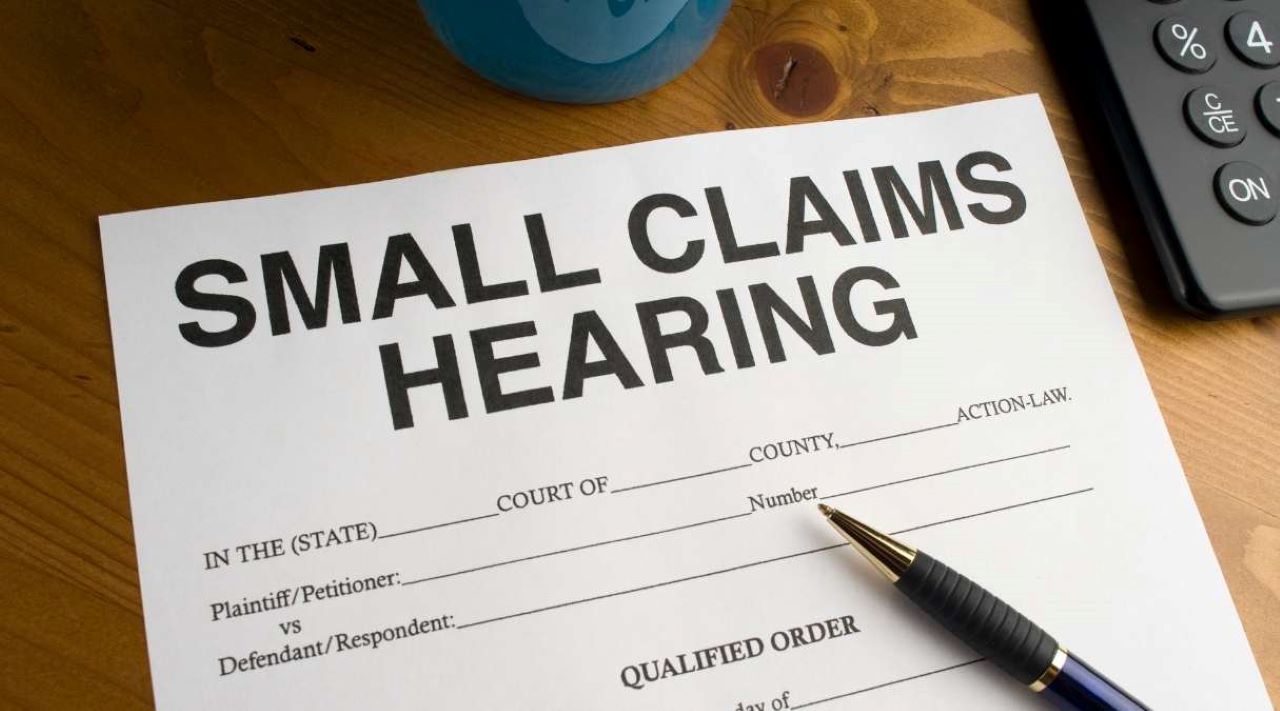
If the tenant contests the eviction during the hearing, they must present their reasons. For example, they might argue that the landlord fails to maintain the property or that the tenant violates the lease terms unintentionally.
In turn, the landlord can present any documents and proof to show why the tenant should be kicked off the premises. The landlord might claim that the tenant has not paid rent on time or has committed a serious violation of the lease agreement. The law requires that both parties present their evidence clearly.
After reviewing the evidence, the court will make a judgement on whether the eviction should proceed. If the tenant fails to appear for the hearing, the judge may rule in favor of the landlord, issuing a warrant of eviction. This is the tenant’s last opportunity to remove their belongings before being forcibly removed from the rental property.
The Eviction
After receiving the warrant of eviction, the tenant have 14 days to move out before they are forcibly removed by the local authorities. For evictions due to unpaid rent, the grace period for moving out is only 10 days.
However, if the tenant pays the rent they owe before this period, the eviction process will be suspended, and they will be allowed to continue their tenancy.
The court can grant a stay of execution, allowing the tenant to stay longer in the rental unit before having to move out. This can be done under two specific circumstances:
-
Extreme Hardship: Examples include the tenant having a serious illness, the inability to change the school their child is enrolled in, or any family hardships the move would cause. However, in such cases, the tenant can not stay on the property for longer than a year.
-
To Cure a Breach: If the eviction was due to lease violations, the tenant can be allowed to stay for up to 30 days. If the breach has been corrected by the end of that period, the tenant may remain in the property without being evicted.

Under normal circumstances, the landlord will regain possession of the property after the 14-day grace period. This can be due to the tenant moving out or being evicted by the local authorities.
Bottom Line
A difficult tenant is every landlord’s worst nightmare. Allowing unsuitable residents into your home can lead to property damage beyond normal wear and tear, loss of rental income, or holdover tenancies.
To keep your investment protected, consider partnering with an experienced property management company.
At Librett Real Estate Group, we can make your life easier. From tenant screening, to maintenance inspections, to handling evictions, we have you covered. Contact our team today to learn more about our services.
Disclaimer: Please note that the information provided in this blog is intended for general guidance and should not be considered as a replacement for professional legal advice. It is important to be aware that laws pertaining to property management may change, rendering this information outdated by the time you read it.
